Fabric or Leather: How to choose the right sofa upholstery
Few decisions leave people hesitating longer than choosing between a fabric sofa and a leather one. After settling on the design, size, and color, many customers pause at one final question: "Should I choose fabric or leather?"
After years of designing and making sofas, we've come to realize that this may not be the right question to ask. Just as no single sofa is right for everyone, no upholstery material is perfect for every home. Each has its own strengths, limitations, and character, offering a distinctly different experience over the years that follow.
The timeless appeal of genuine leather
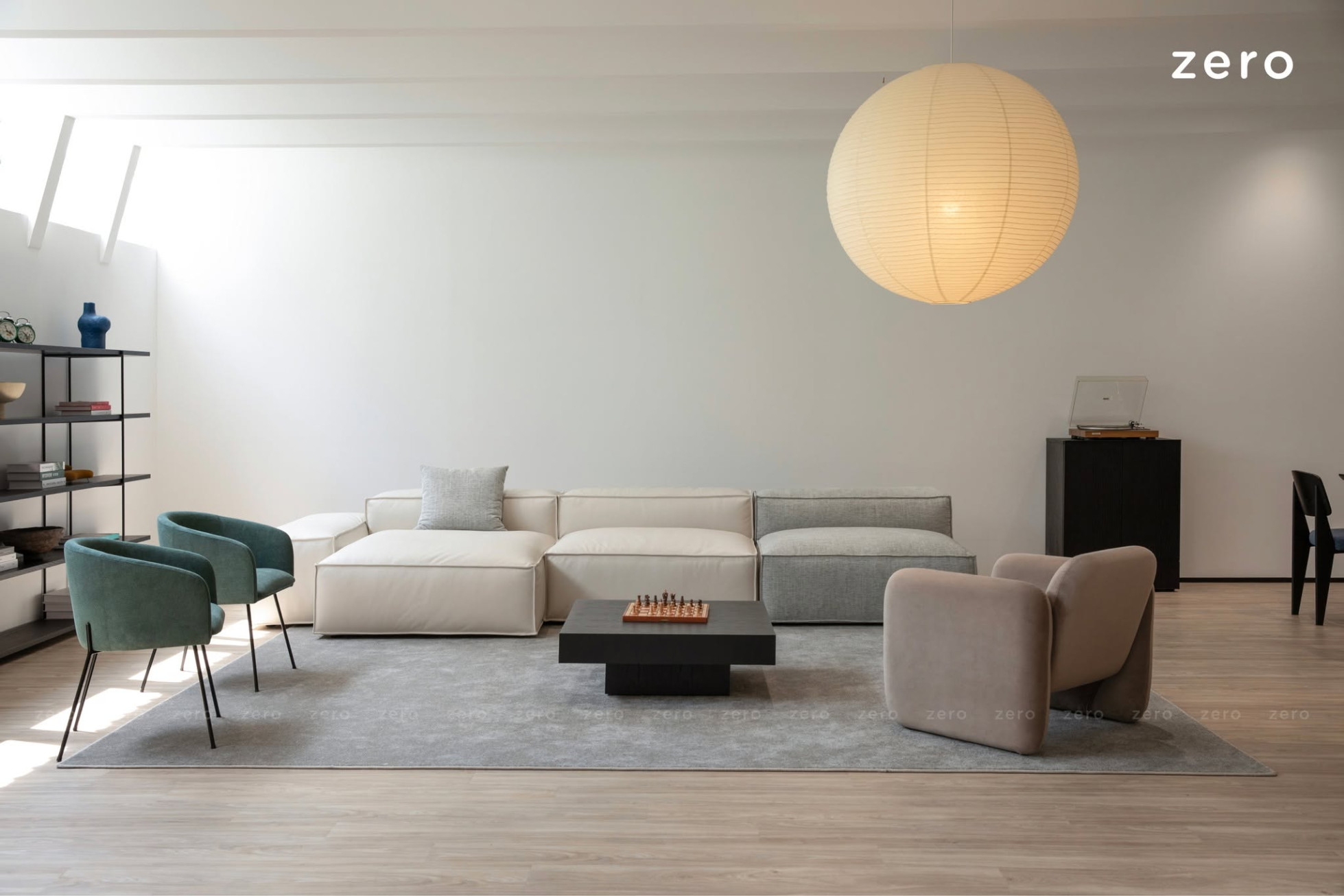
From classic European interiors and luxury automobiles to premium fashion, natural leather has long been associated with a sense of understated sophistication. For upholstery, cowhide remains the most widely used leather thanks to its generous hide size, balanced thickness, and natural elasticity.
One of the first things people notice about a leather sofa is its inviting feel. Smooth, supple, and naturally cool to the touch, leather offers a tactile experience unlike almost any other upholstery material. And it is this very natural responsiveness that allows leather to age so beautifully over time. The areas that receive the most use, such as the seat cushions and backrests, gradually soften, develop gentle creases, and lose some of the taut appearance they had when new.
This is neither sagging nor a technical defect; rather, it is part of the natural aging process of leather. These subtle changes create a beauty born of time and a feel that grows more pleasing over time—qualities that synthetic materials struggle to replicate.
Genuine leather also undergoes subtle color changes in areas subject to frequent contact. This creates a natural beauty and a distinctive, time-honored hue known as "patina"—a characteristic that no faux leather can match. Unlike synthetic materials, genuine leather does not peel over time, though it does age naturally. The rate of this change depends on the environment, frequency of use, and how the product is cared for. However, if you prefer a sofa that remains taut, crisp, and virtually unchanged in shape throughout its lifespan, a leather sofa may not be the most suitable choice.
Another characteristic of genuine leather is that every hide has a natural size limit. As a result, larger sofas almost always require seams where different hides are joined together. This is not a limitation of craftsmanship, but simply a natural characteristic of the material itself.
The versatility of fabric
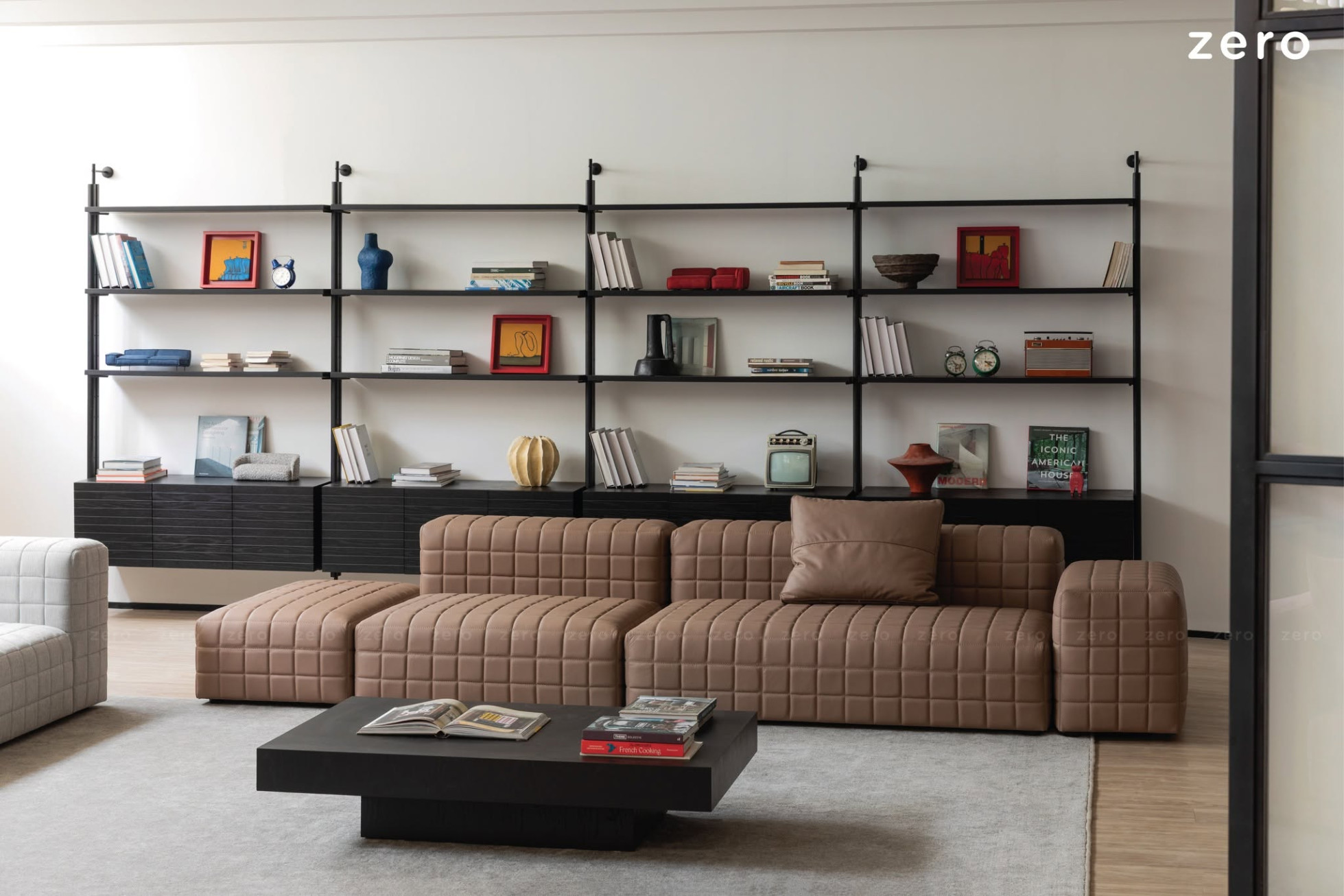
If leather is known for its timeless elegance, fabric offers something equally valuable: freedom of choice. With countless colors, textures, and weaves available, fabric upholstery can adapt effortlessly to different interior styles while allowing homeowners to express their own personality.
Interestingly, changing only the upholstery material can completely alter the character of the same sofa design. A leather-upholstered sofa often feels cleaner, more structured, and more refined. The very same design, upholstered in fabric, can become softer, warmer, and more relaxed. Perhaps this is why fabric sofas have become increasingly popular in contemporary homes over recent years.
Of course, fabric has its own characteristics. Compared to leather, it tends to collect dust more easily, absorbs liquids more readily, and generally requires more time and care to clean. Today, upholstery fabrics have evolved significantly. Easy-clean technologies, water-repellent finishes, and performance textiles have helped address many of these concerns. Like any material, however, each has its own limitations and performs best when used and cared for appropriately.
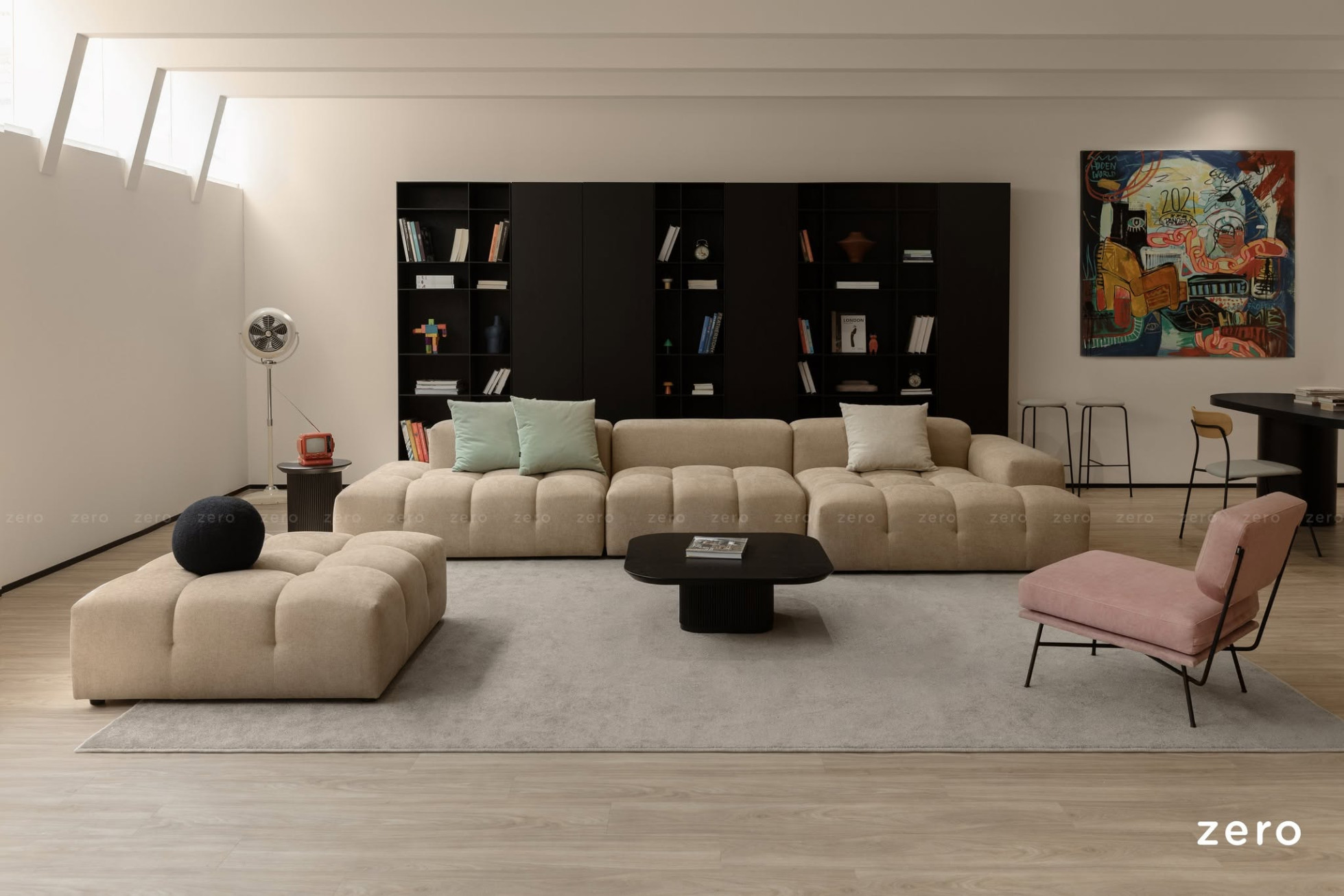
The Bred sofa covered in fabric creates a soft, inviting feel.
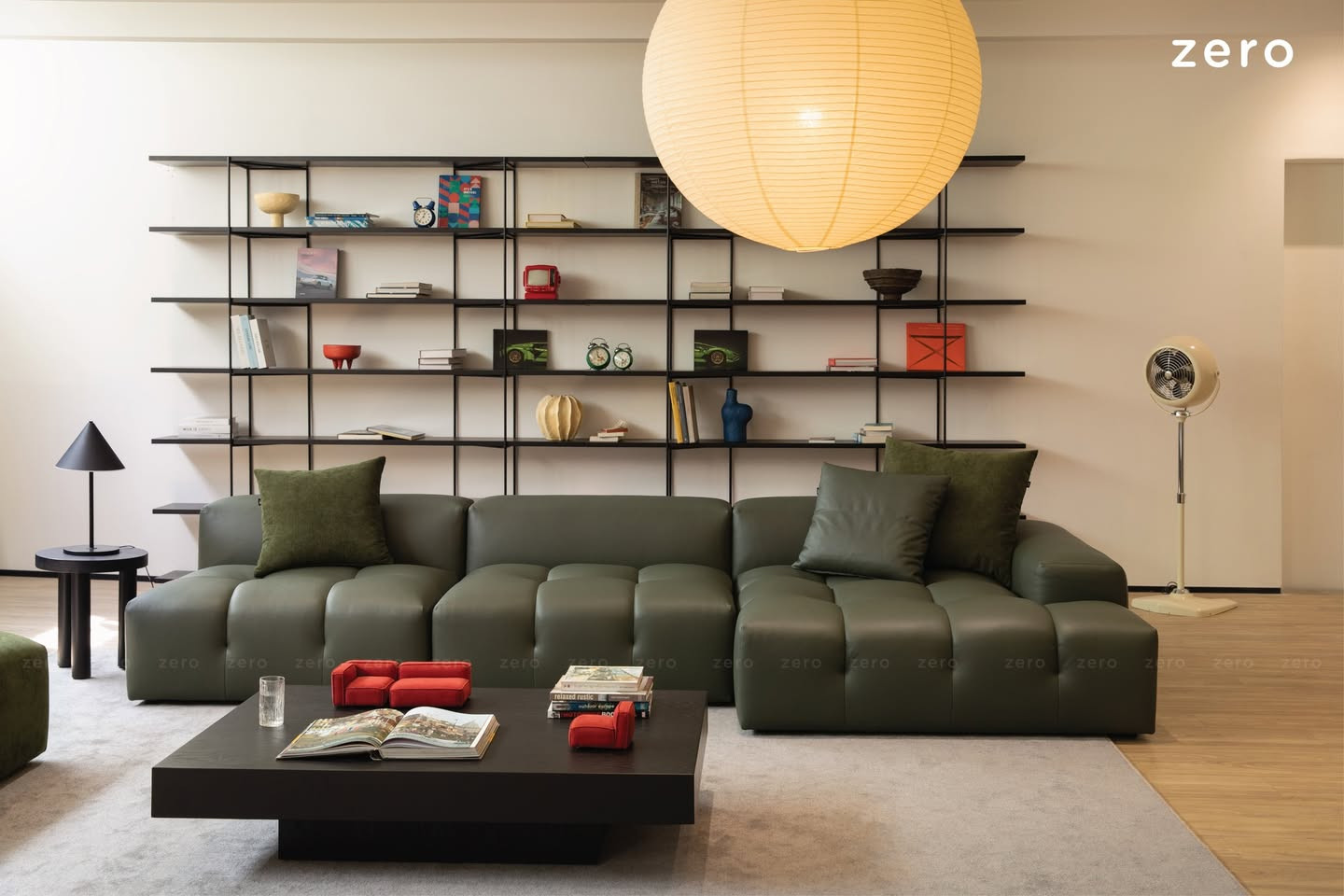
In contrast, the leather option offers a look that is both elegant and bold.
Cost is also part of the decision
Beyond aesthetics and comfort, budget is naturally another important consideration. In most cases, a leather sofa represents a significantly greater investment than the same design upholstered in fabric.
This difference reflects more than just the cost of the material itself. Leather is a material with finite dimensions; each hide is unique, varying in color, grain, thickness, and the natural markings that make genuine leather so distinctive. Selecting, cutting, matching, and upholstering leather therefore require considerably more time, experience, and craftsmanship.
Fabric, on the other hand, offers a much wider range of price points, making it easier to find an option that suits different budgets.
That said, a higher price does not necessarily make one material the better choice.
There is no universal answer
After years of working with homeowners, we've realized that lasting satisfaction rarely comes from choosing fabric over leather—or vice versa. It comes from choosing the material that continues to feel right years after the sofa becomes part of everyday life.
Some people love the softness, warmth, and variety that fabric provides. Others wouldn't trade the distinctive elegance and tactile experience that only natural leather can offer. Neither choice is right nor wrong. Neither material is inherently better than the other.
In the end, the decision isn't about choosing between fabric and leather. It's about choosing the material that best reflects how you live, how you use your home, and the experience you want your sofa to bring to your everyday life. Because years from now, what stays with you won't be whether your sofa was upholstered in fabric or leather. It will be the familiar feeling of sitting down, running your hand across its surface, and knowing it still feels perfectly at home in the life you've built.
“Living notes - We’ve put together these short notes from our own professional experience. We hope they give you a different perspective to think about before you make your decision."